Case study ·2026
Building trust for a family property business with no online presence.
SolidHomes is a Prague-based property management company with no website and no brand identity at the start of this project. Stakeholders knew they needed to grow their market presence but couldn’t define who they were trying to reach or how they wanted to be perceived. This is the story of how research, three logo concepts, and a lot of stakeholder conversations turned that uncertainty into a cohesive brand and a live bilingual website.
MY ROLE
Product designer, end-to-end
YEAR
2025-2026
DURATION
10 weeks
TOOLS
Figma, Illustrator, WordPress
THE CHALLENGE
No brand, no audience, no starting point.
HOW MIGHT WE
Help stakeholders define a brand position in a market split between cold corporate sites and outdated text-heavy ones?
HOW MIGHT WE
Build trust with older Czech property owners who are skeptical of modern interfaces?
HOW MIGHT WE
Create a site that a non-technical client can actually maintain after handoff?
RESEARCH
Understanding the problem before building anything.
I started with secondary market research and competitor analysis, then conducted interviews with property owners to understand their expectations. What the market analysis revealed was a clear split: highly polished sales-driven sites on one end, outdated information dumps on the other. Neither was building real trust with the audience SolidHomes needed.
Early stakeholder conversations revealed that the client had no defined target audience. When asked who they wanted to reach, the answer was: “Anybody. I would be happy to sell my services to frogs for all I care.” That quote shaped the entire research phase. Defining the audience wasn’t optional, it was the first design problem to solve.
“Anybody. I would be happy to sell my services to frogs for all I care.”
– Stakeholder, at project kickoff
Jan Novák, 58
History and Swedish teacher at a primary school, mentor
- Prague-based teacher and residential property owner
- Values clear communication and direct contact options
- Prefers trustworthy, professional design over modern or sales-driven interfaces
- Not confident with technology, expects information to be easy to find without scrolling
- Wants to understand services and pricing before making contact
- Representative of the broader audience: older adults, families owning buildings, users with limited technical confidence
PROCESS
Double diamond, applied.
01
Discover
Competitor audit, stakeholder interviews, property owner research to define target audience
02
Define
Core audience identified: older users, families, low technical confidence. Brand positioning placed deliberately between the two market extremes.
03
Develop
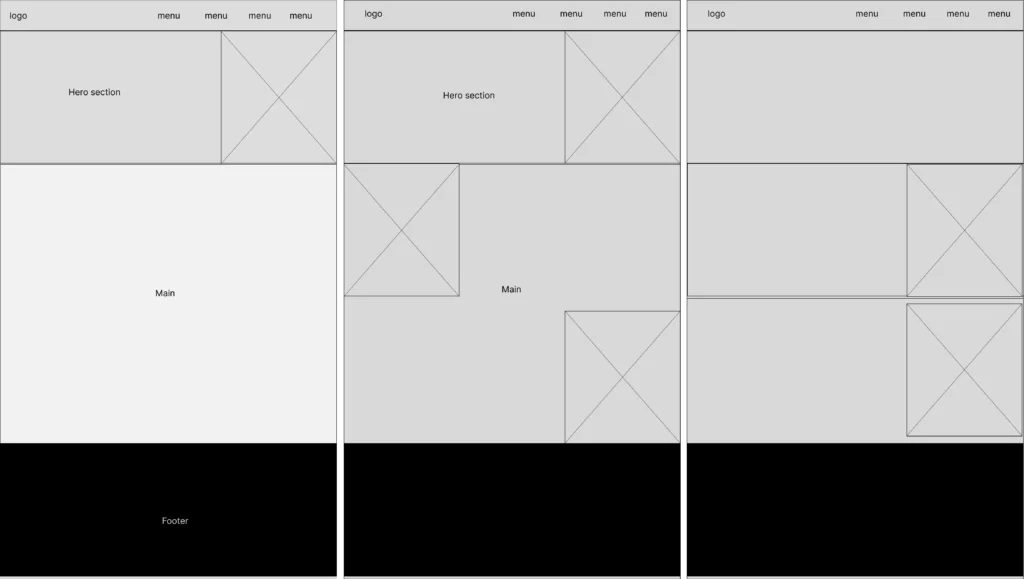
Three logo concepts explored; brand system built from chosen direction; wireframes developed with shallow navigation and large accessible type
04
Deliver
High-fidelity prototype, WordPress implementation, bilingual SEO-optimised site launched
THREE OPTIONS CONSIDERED
A:
Sleek black typography, high-end and minimal. Looked refined but felt cold. Wrong for an audience seeking personal, trustworthy service.
B:
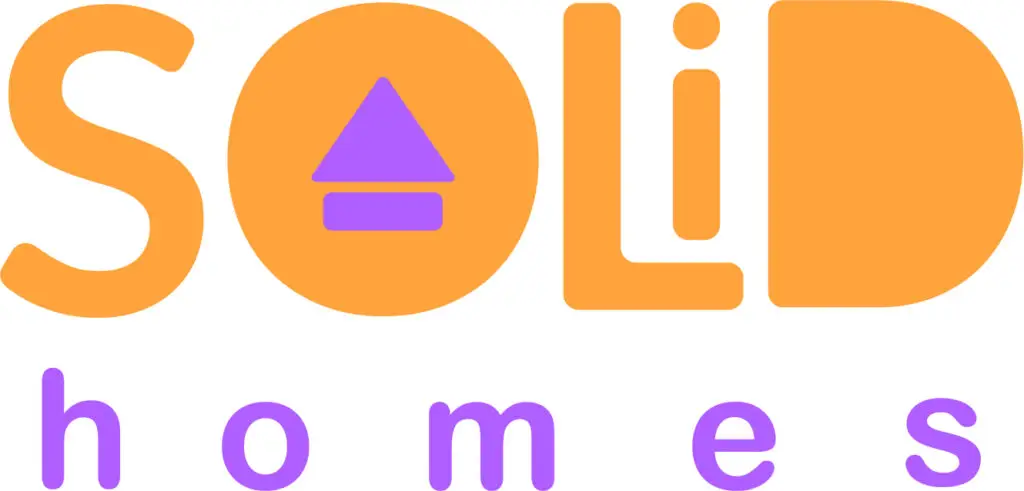
Playful custom font with bright colors. Energetic, but too casual for the context and the demographic.
C (chosen):
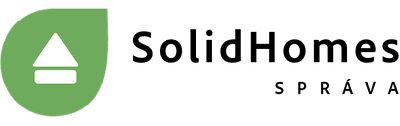
Clean sans-serif with a green accent. Credible without being cold. Green differentiated SolidHomes from a blue-dominated competitor landscape while reading as stable and approachable.
The three-concept exercise turned out to solve more than a branding problem. Stakeholders couldn’t articulate their preferences in words, but responding to visuals gave them a language for it. They saw what was missing in each option and the decision made itself.
Concept 1:
Sleek black typography on white background. High-end and refined, but lacked personality and warmth. Risked appearing cold and unapproachable for older clients seeking personal service.
Concept 2:
Playful custom font with bright colors. Energetic and memorable, but felt too casual for the serious nature of property management and our older target demographic.
Concept 3:
(selected)
Clean sans-serif with distinctive green accent. Balances corporate credibility with approachability. The green differentiates from competitor blues while suggesting growth and stability.
SOLUTION
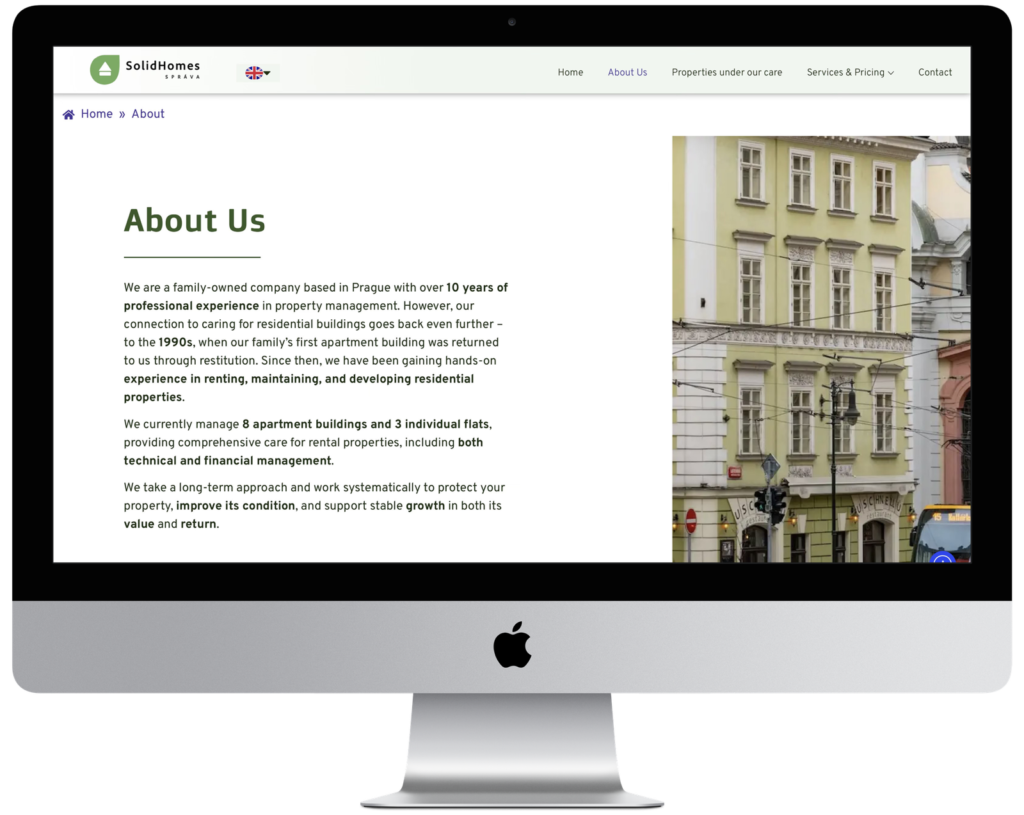
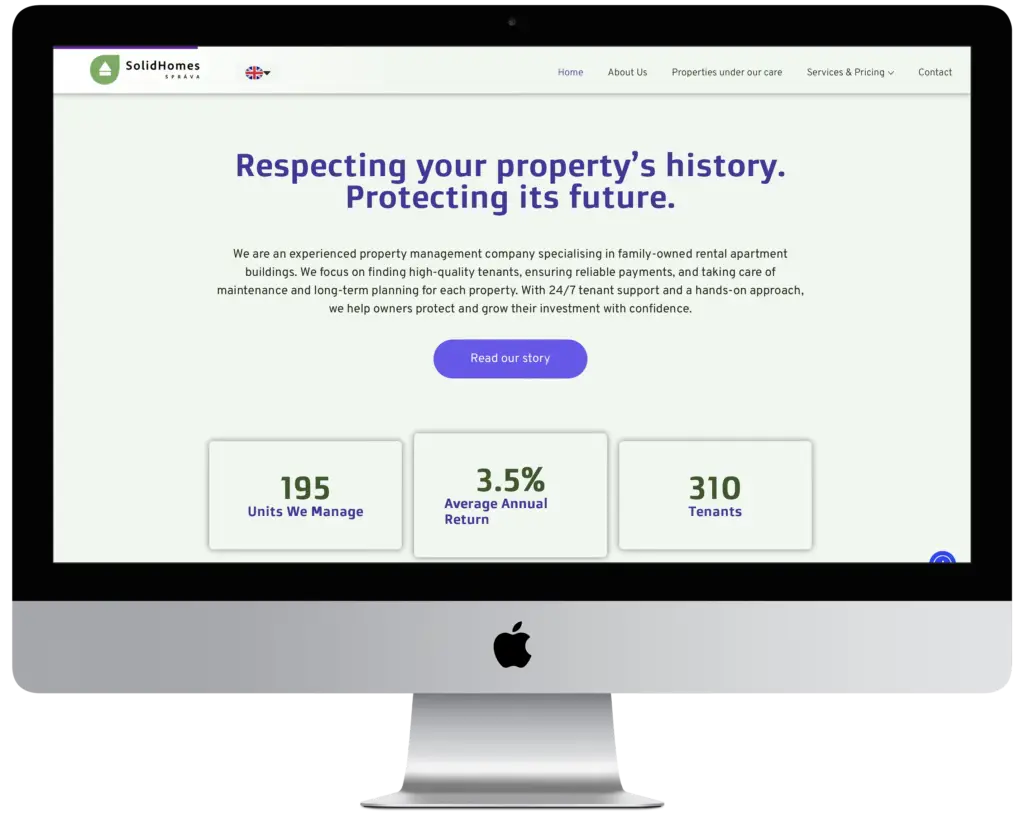
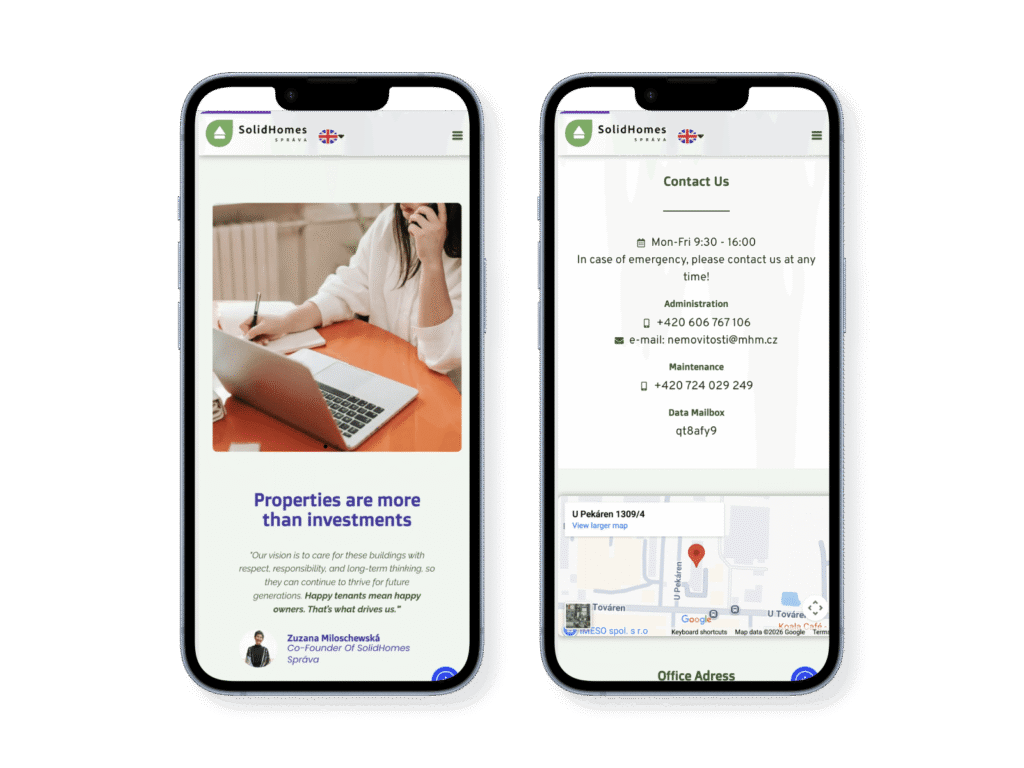
SolidHomes launched with a bilingual website presenting services, pricing, and contact options clearly for an older, less technical audience. Typography was set larger than standard — 20px body minimum — with generous line height and a shallow navigation structure that doesn’t require scrolling to find key information. A city map showing managed properties replaced a description-only approach, giving users something visual to anchor their understanding of the business.
The color system was built around accessibility. The brand green anchored the identity but needed support for functional web use. Purple was chosen for buttons because it creates clear contrast against the green without clashing. Yellow handles link visibility on dark backgrounds. Both choices were driven by accessibility standards, not aesthetics.
The brand system included a main logo, favicon, stacked email signature version, full color palette, and typography specification, giving the client a complete foundation to build from.
The color system was built around accessibility from the start. The brand green anchors the identity but couldn’t carry the whole site functionally. Purple handles buttons and CTAs because it creates strong contrast against green without competing with it. Yellow covers links on dark backgrounds, where green would disappear. Neither choice was aesthetic first. Both exist because the target audience includes older users with potentially declining vision, and color contrast isn’t optional for them.
OUTCOMES
1
Real client inquiry generated within weeks of launch
January 2026
Site launched with full brand system, bilingual content, and SEO foundation in place
SolidHomes went from no online presence to a live, professional site with a defined brand identity. The first real client contact came in shortly after launch. SEO is still in its early building phase, so organic traffic is low, but the infrastructure is in place and the key metrics to watch over the next three to six months are defined.
Still watching:
- Will organic visibility for “property management Prague” grow as the SEO foundation matures?
- Does the contact form convert, or do visitors call or email directly?
- Can the client update content independently over time without breaking the layout?
- Does having services and pricing available online actually reduce the time spent explaining the business in initial conversations?
REFLECTION
A client who can't tell you what they want is still telling you something.
The most useful thing I did on this project wasn’t design work, it was reframing the stakeholder relationship. When someone can’t define their audience or their brand position in words, pushing for clearer briefs doesn’t help. Showing them three distinct options and watching which one makes them uncomfortable taught me more about what SolidHomes needed than any interview question could have.
Advocating for the user here meant first doing the work of defining who that user actually was. The persona wasn’t a formality, it was the thing that made every subsequent decision defensible. Once Jan existed, the font size decision made sense, the navigation depth made sense, the tone of the copy made sense. Good design for this project meant starting with research the client didn’t know they needed.